GeckoCalc

Leopard Gecko Lifespan & Care Guide

💡 Quick Rule: A well-kept leopard gecko lives 15–20 years in captivity — the record is over 28. Wild lifespan is far shorter. Your heating, diet, and habitat decisions are the difference.

Life Stages at a Glance

Leopard geckos grow fast, then stay with you for a long time. Here is the timeline you are signing up for:

StageAgeTypical SizeCare Focus
Hatchling0–3 months3–4 in, 2–5 gSmall tank, daily food, gentle handling
Juvenile3–10 months5–7 in, 10–40 gUpgrade space, steady supplements
Adult10+ months7–11 in, 45–90 gFull gradient, weight monitoring
Senior12+ yearsSame, leaner tailSofter feeders, easier climbs, vet checks
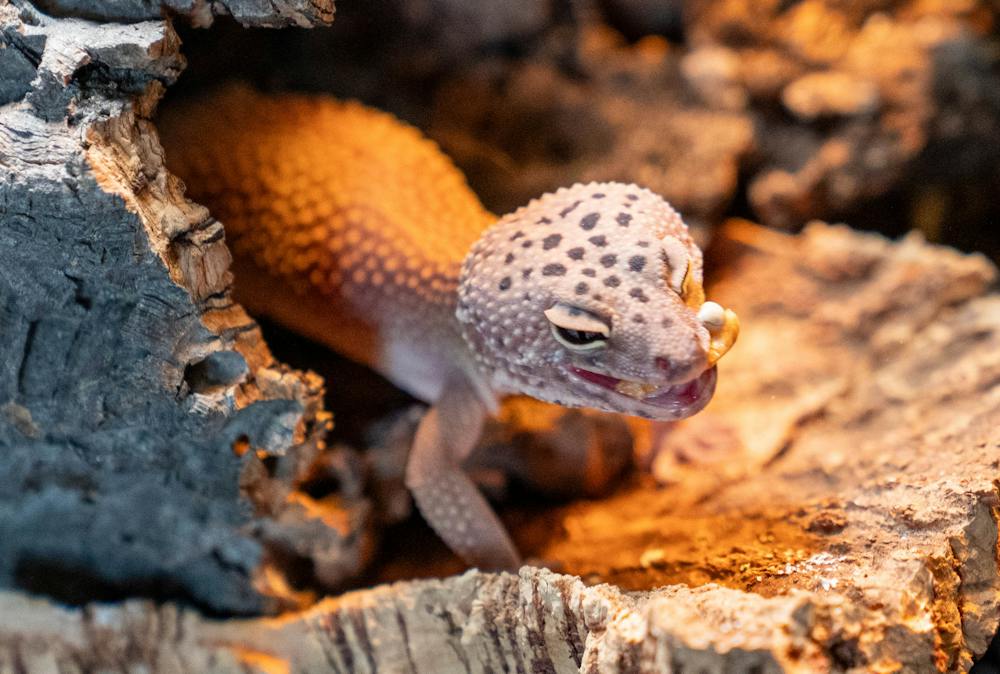
A leopard gecko with spotted skin resting on textured bark under warm light
With good care, a leopard gecko can stay this healthy for 15–20 years.

🦎 What Decades of Care Look Like

A leopard gecko that reaches 20 years is not lucky — it is well-managed. Five factors do almost all of the work:

⚠️ Common Health Issues

❓ Frequently Asked Questions

How long do leopard geckos live as pets?

With proper care, expect 15–20 years in captivity — many reach their early 20s. That makes a leopard gecko a two-decade commitment, not a starter pet you replace in a few years.

What is the oldest leopard gecko on record?

The frequently cited record is over 28 years. Longevity like that is rare, but it shows the ceiling of the species when heat, diet, and habitat stay dialed in for decades.

How can I tell how old my leopard gecko is?

Under about 10 months, size and weight track age closely (hatchlings start near 3–4 inches). Once adult, you cannot read age from the animal — ask the breeder for a hatch date, or a vet can estimate from overall condition.

Do leopard geckos live longer alone or in pairs?

Alone. Solitary geckos avoid the chronic stress, competition for food, and bullying injuries that come with cohabitation. A solo gecko in a well-set enclosure typically outlives a cohabited one.

What are the signs of a leopard gecko aging well?

Steady weight with a plump tail, clean regular sheds, consistent appetite, and bright open eyes. Yearly weigh-ins catch slow declines early — a kitchen gram scale is the best $15 longevity tool you can buy.

🧭 Keep Setting Up